70% off1:24
Remote control
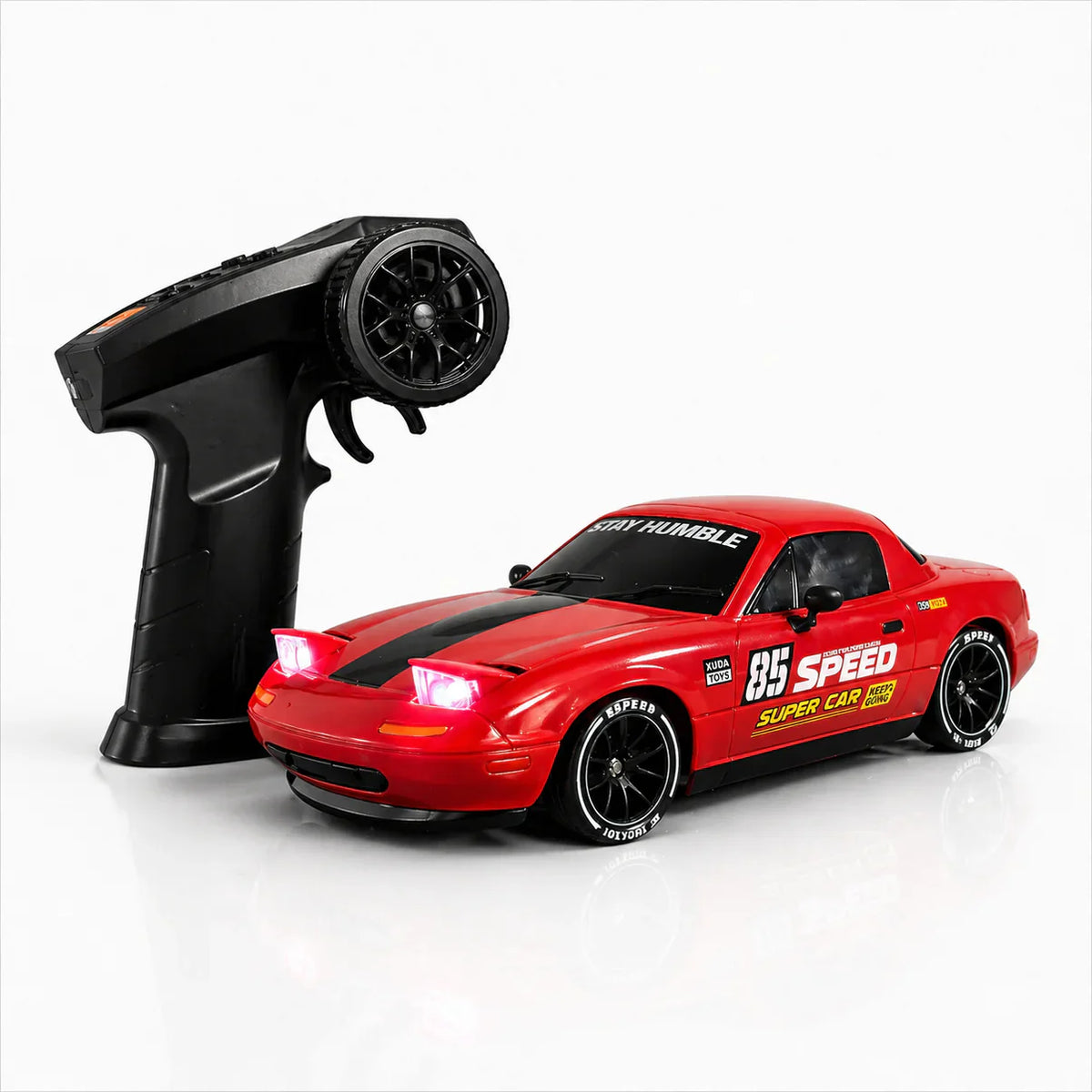
1:24 RX-7 RC Drift Car with Smoke
(25)
₹2,999₹9,99970% off
Drift cars with smoke and LEDs, licensed SUVs in 1:16, rock crawlers, and full-size F1 replicas you can drive. RC toys for children and RC cars for adults, on one page.
18 models · from ₹1,599 · free shipping
Remote control
Remote control
Remote control
Remote control
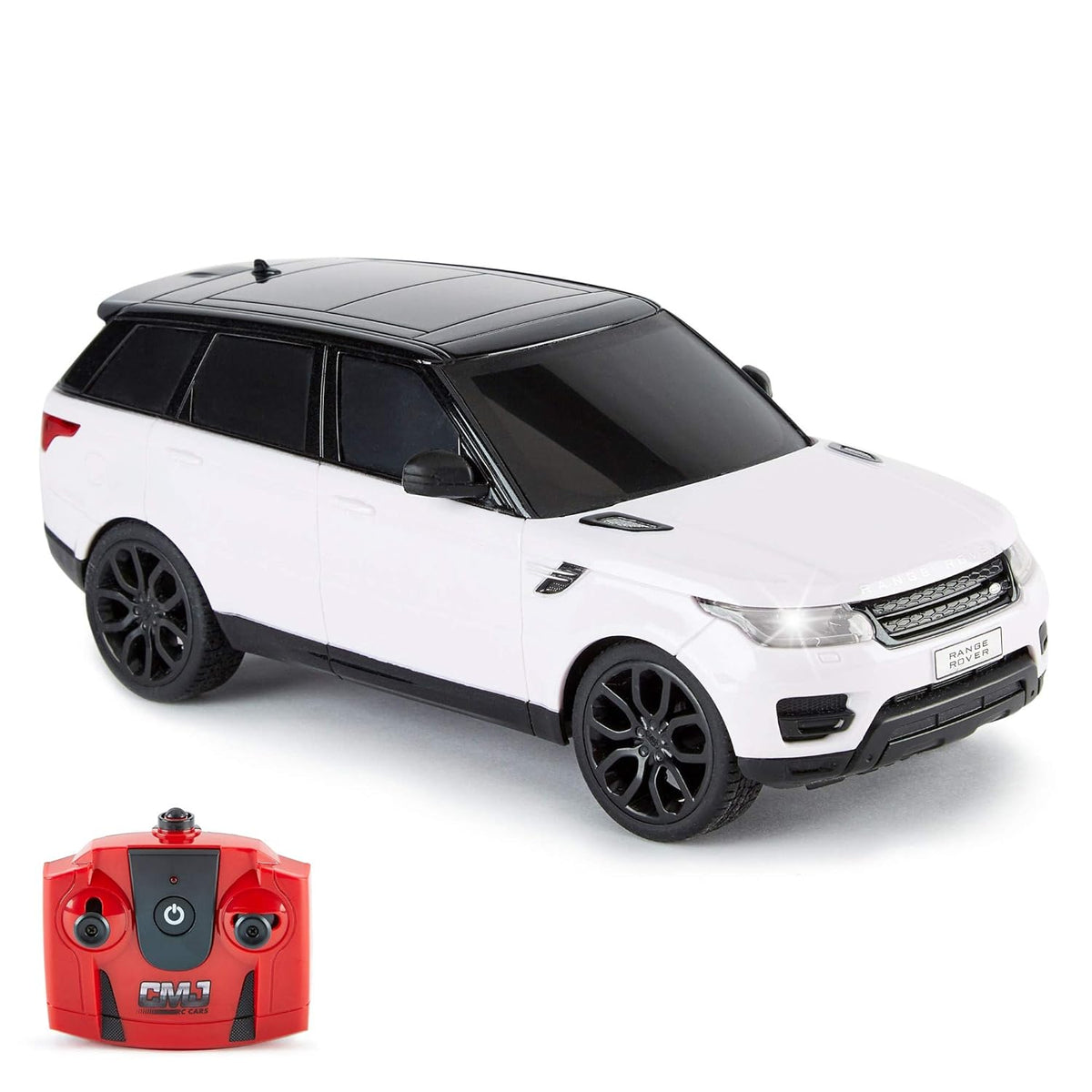
Land Rover
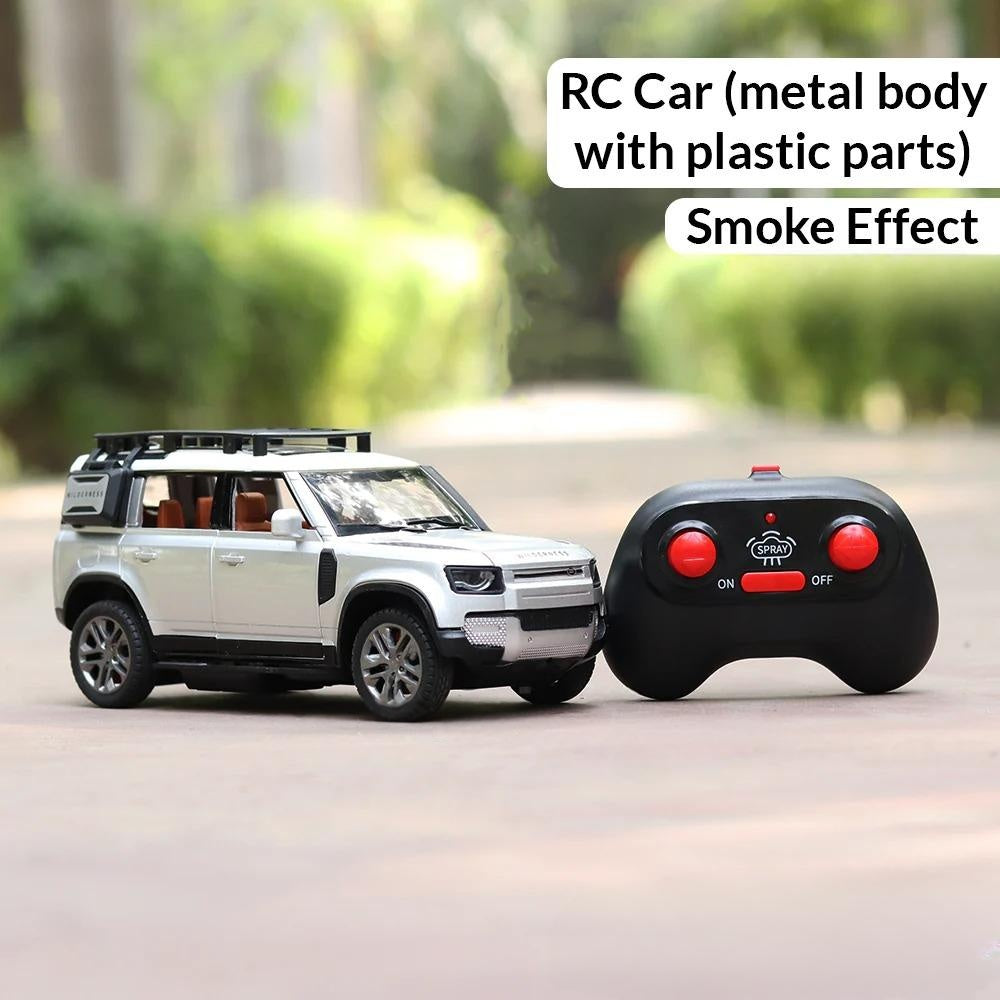
Land Rover
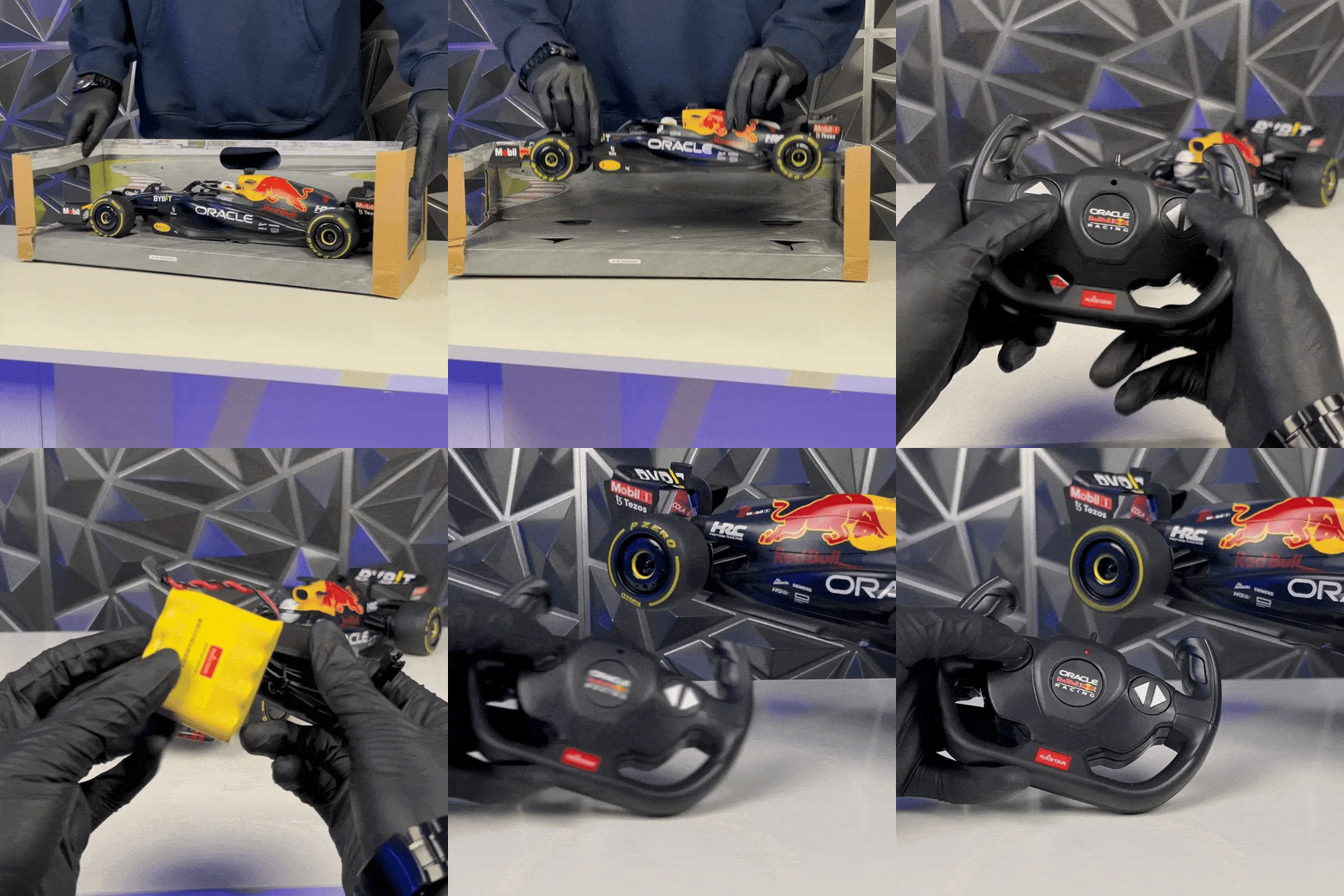
Red Bull
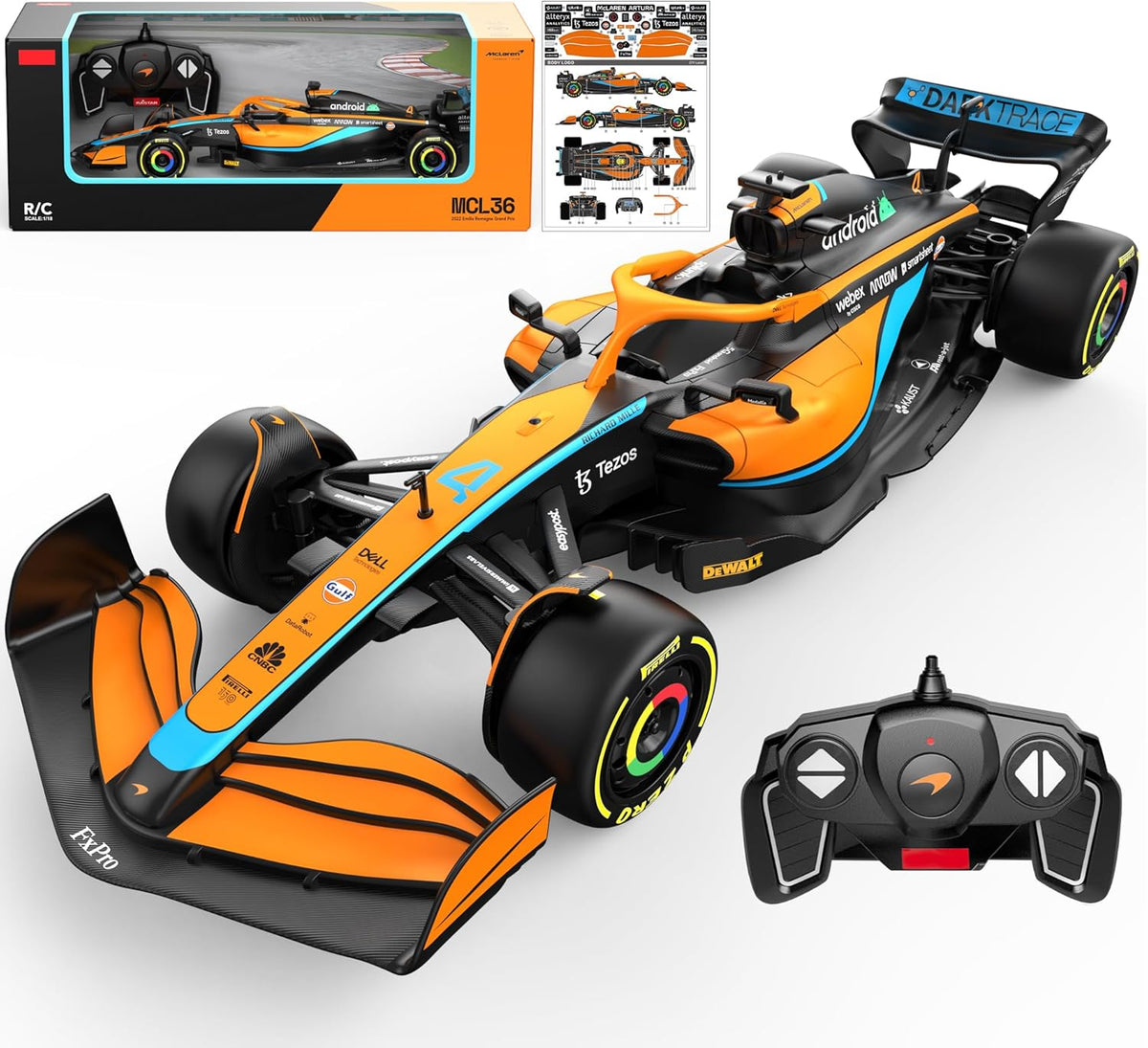
McLaren
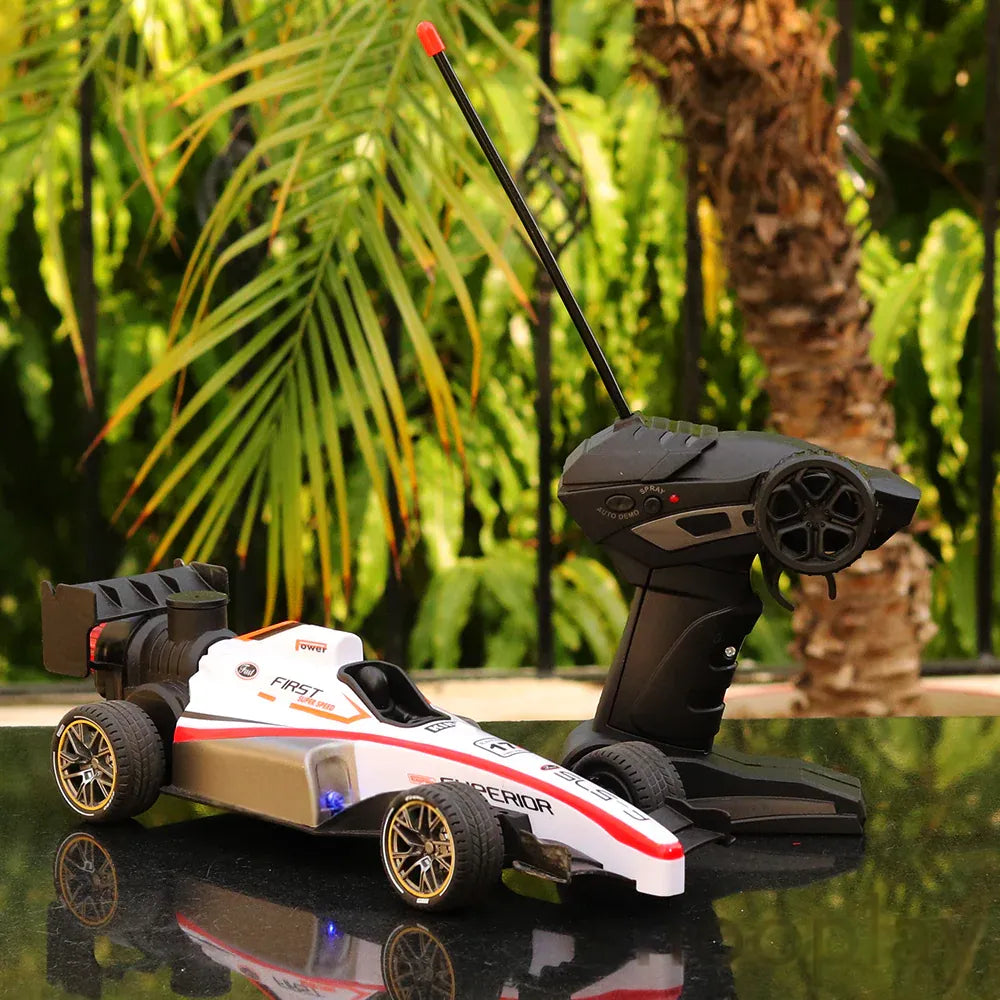
Remote control
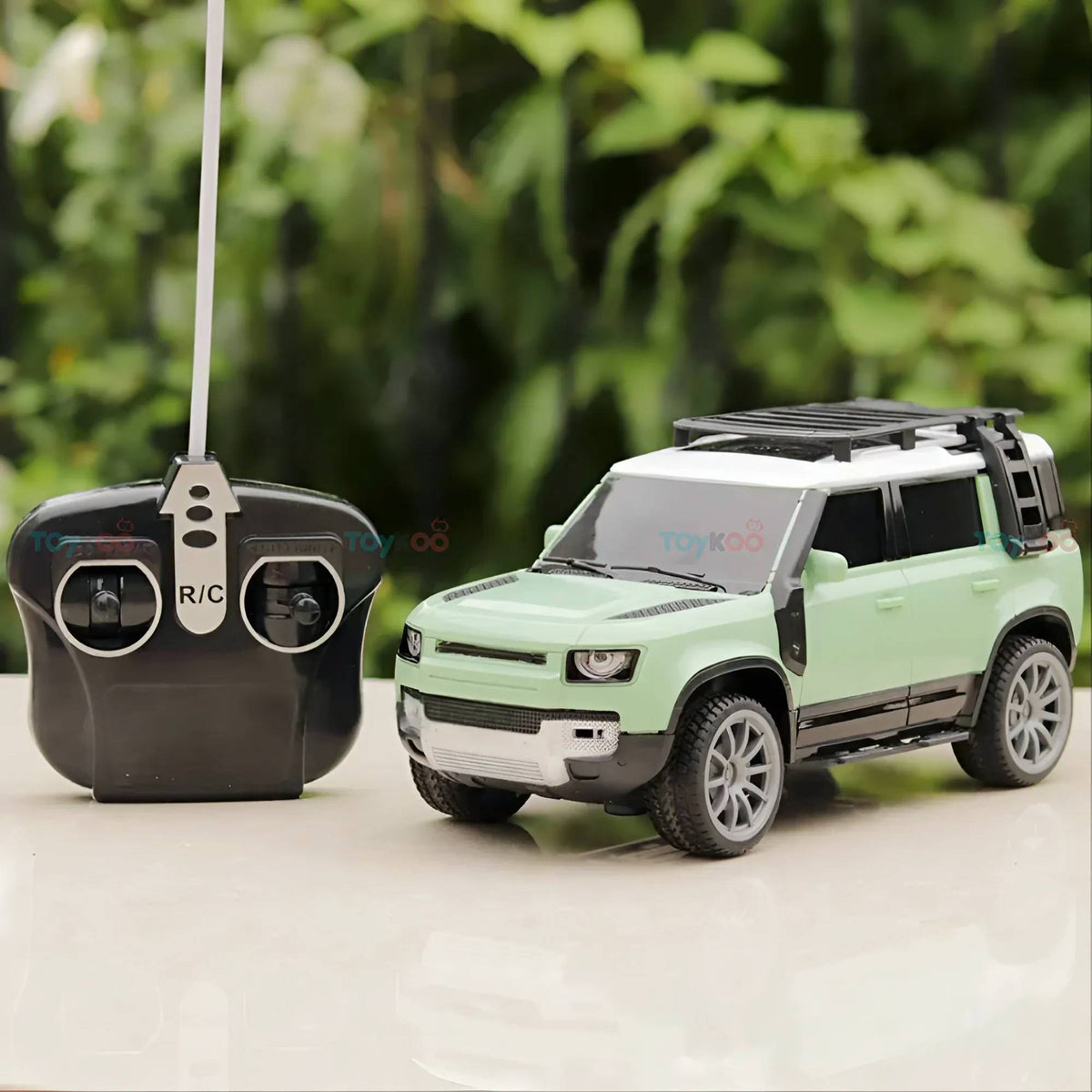
Land Rover
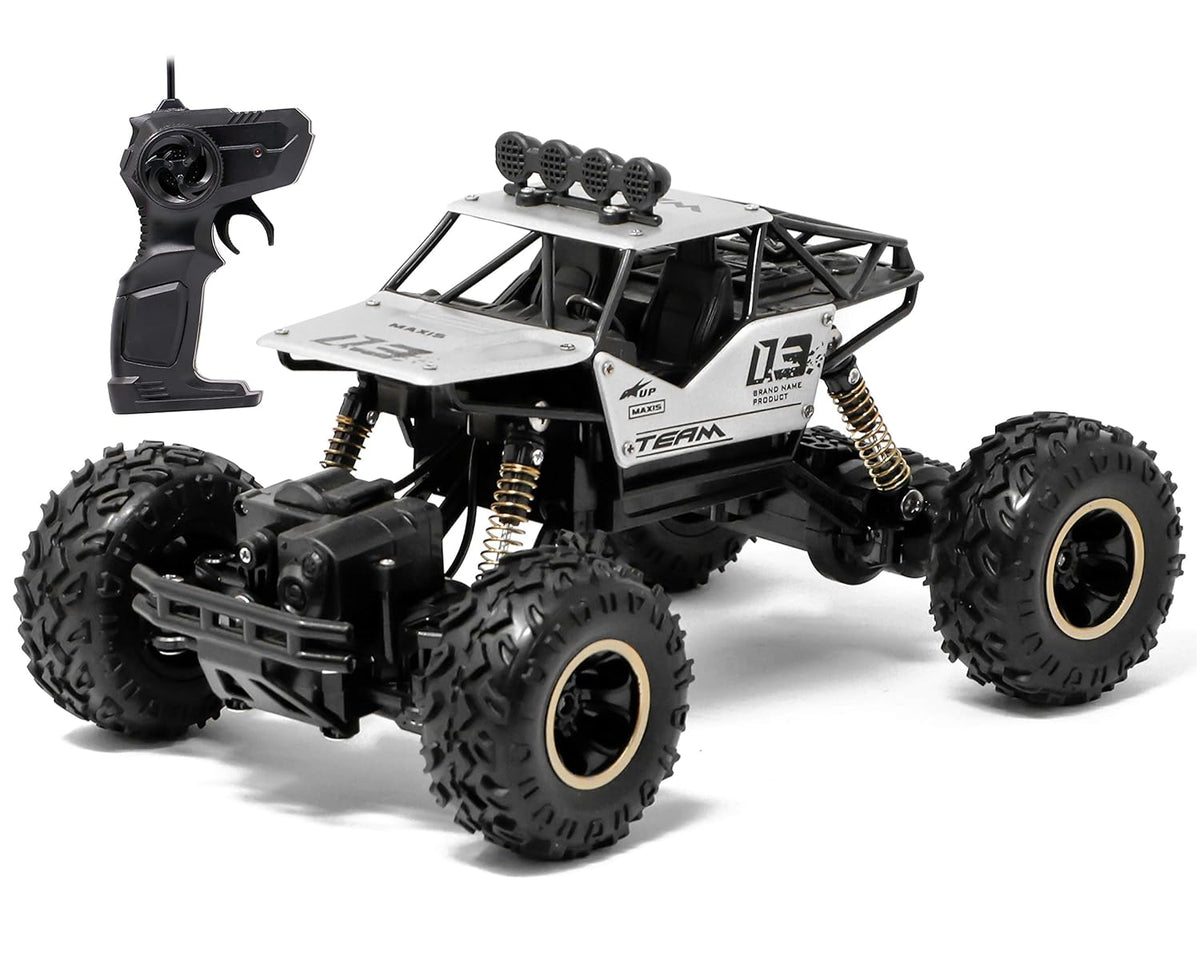
Remote control
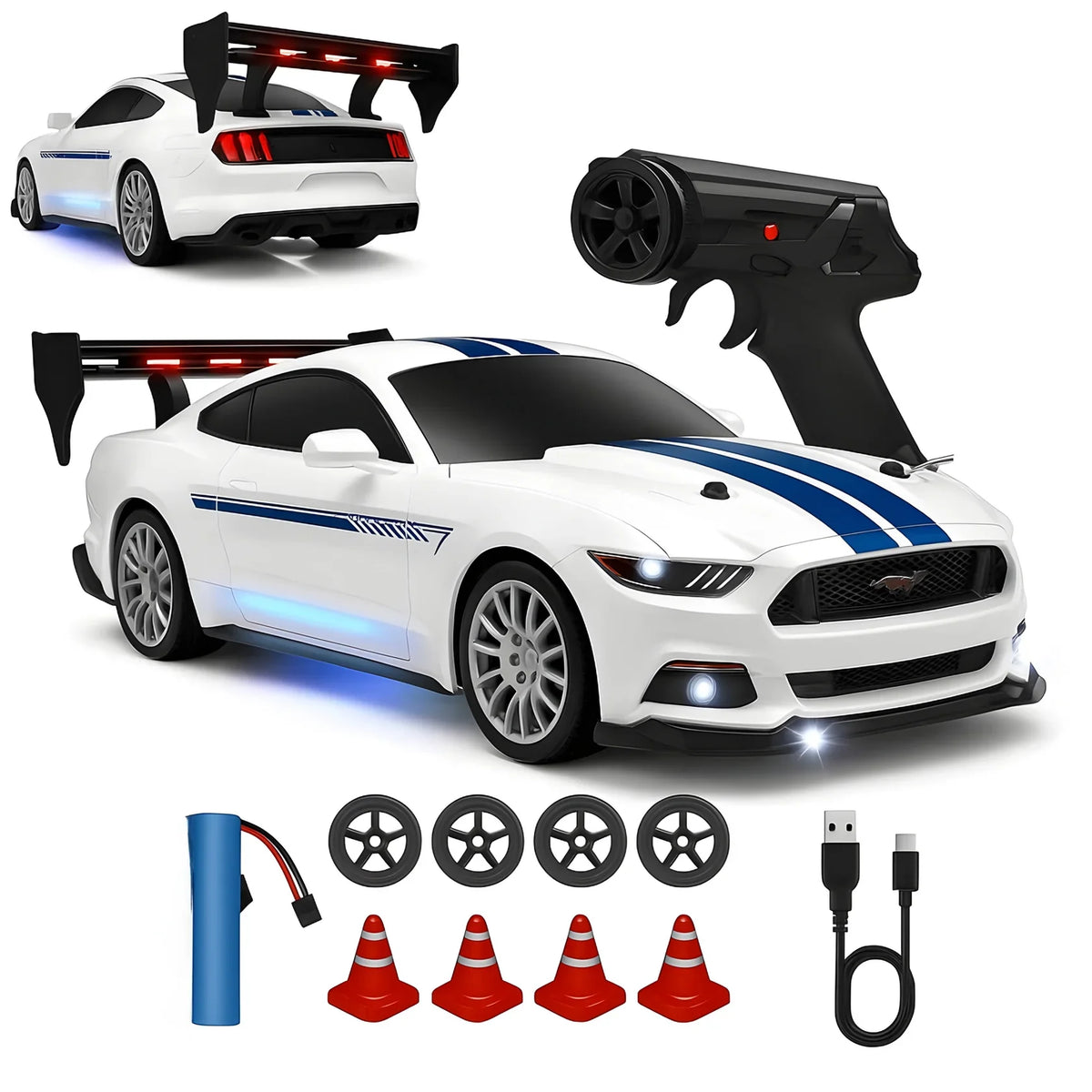
Remote control
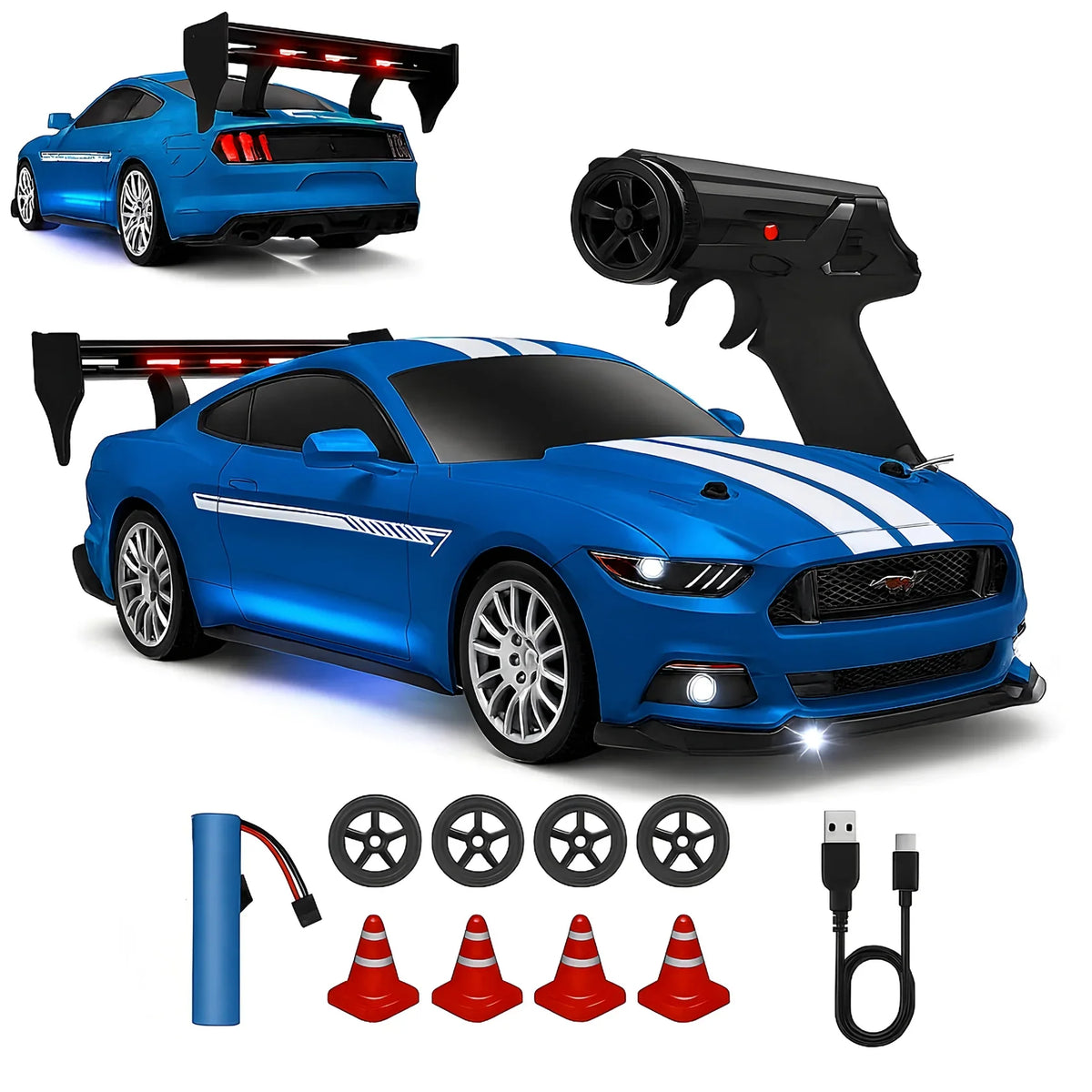
Remote control
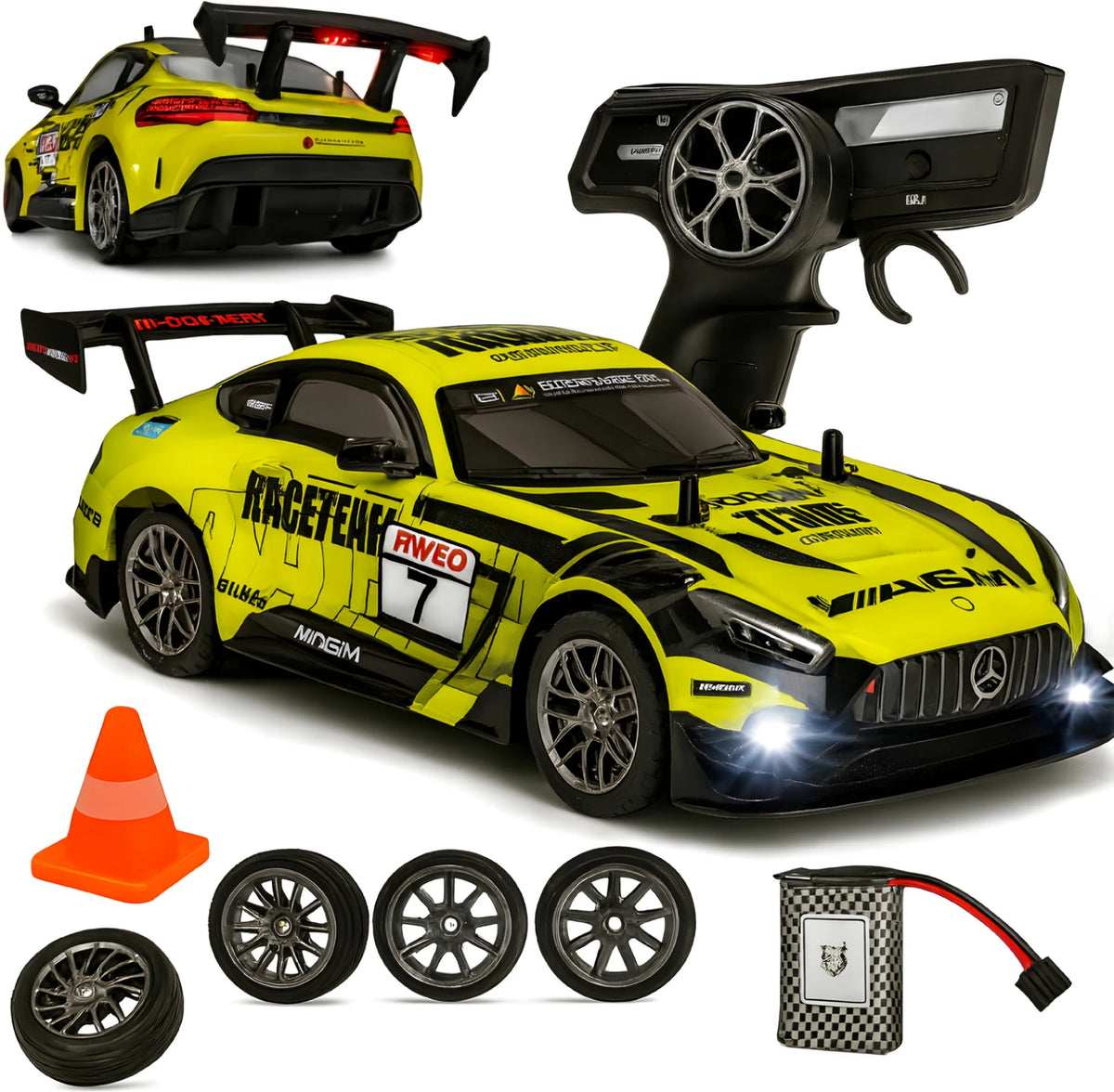
Remote control
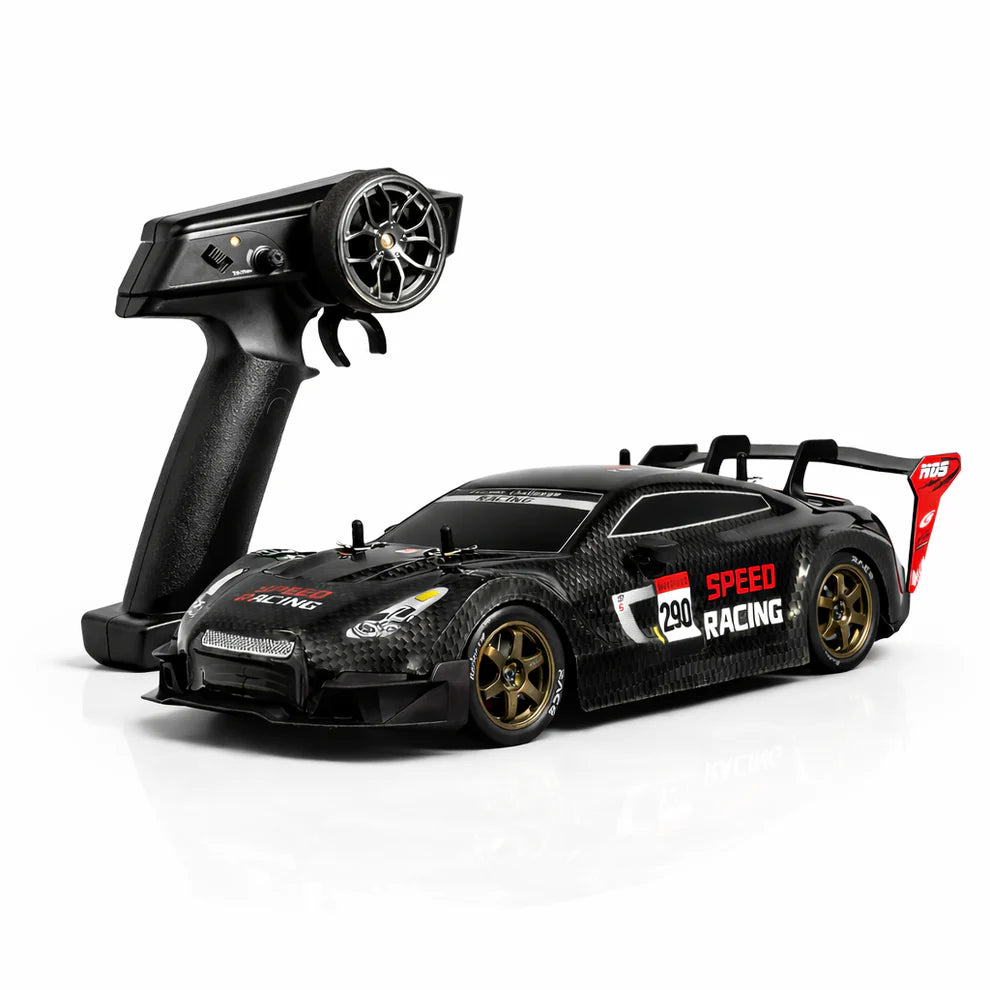
Remote control
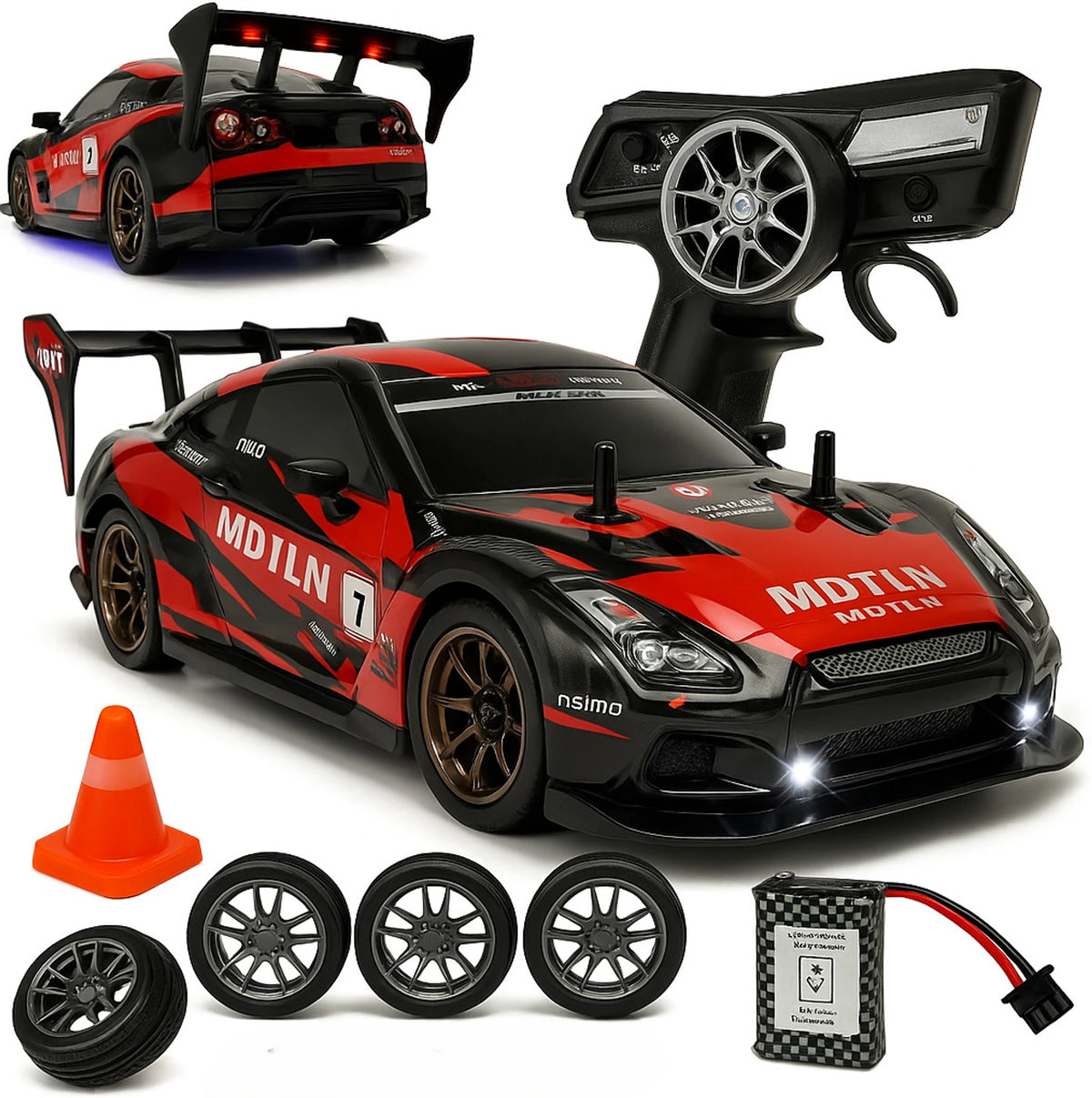
Remote control
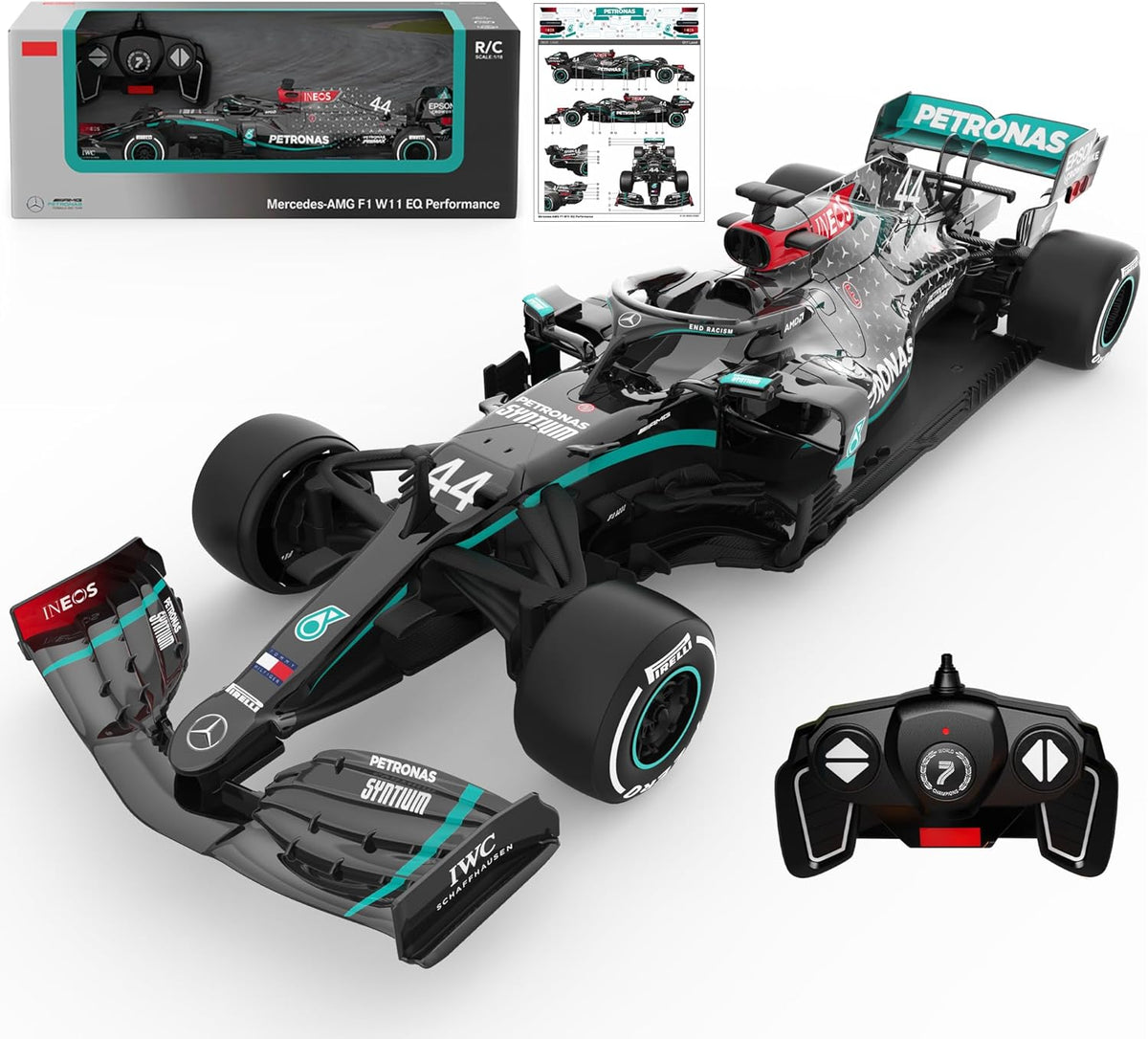
Mercedes-Benz
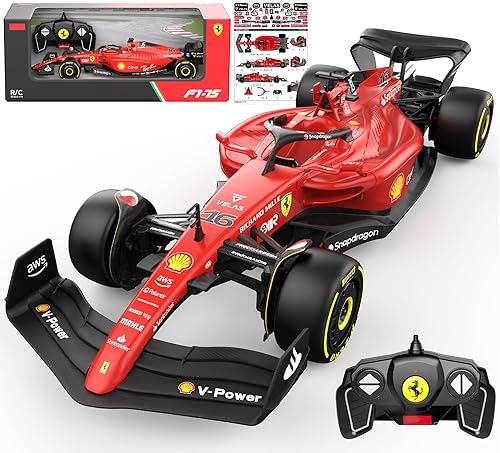
Ferrari
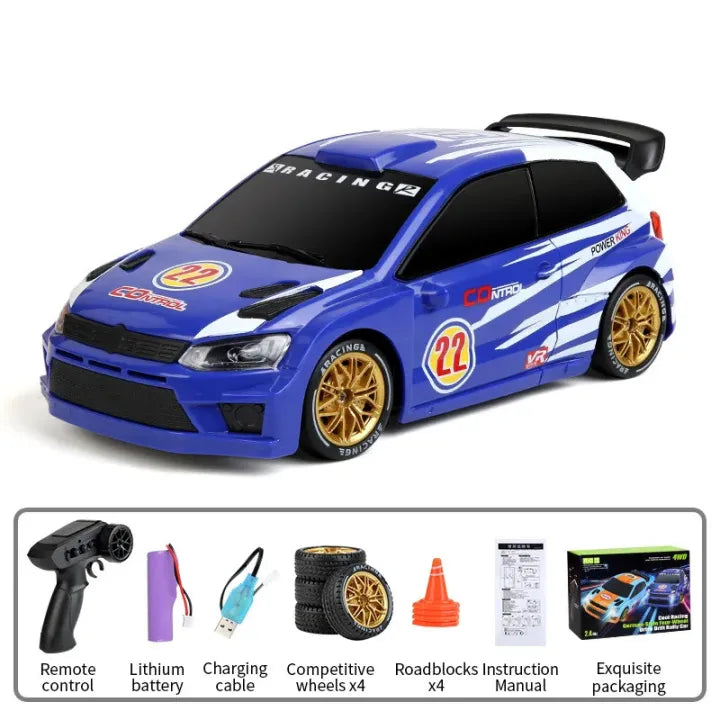
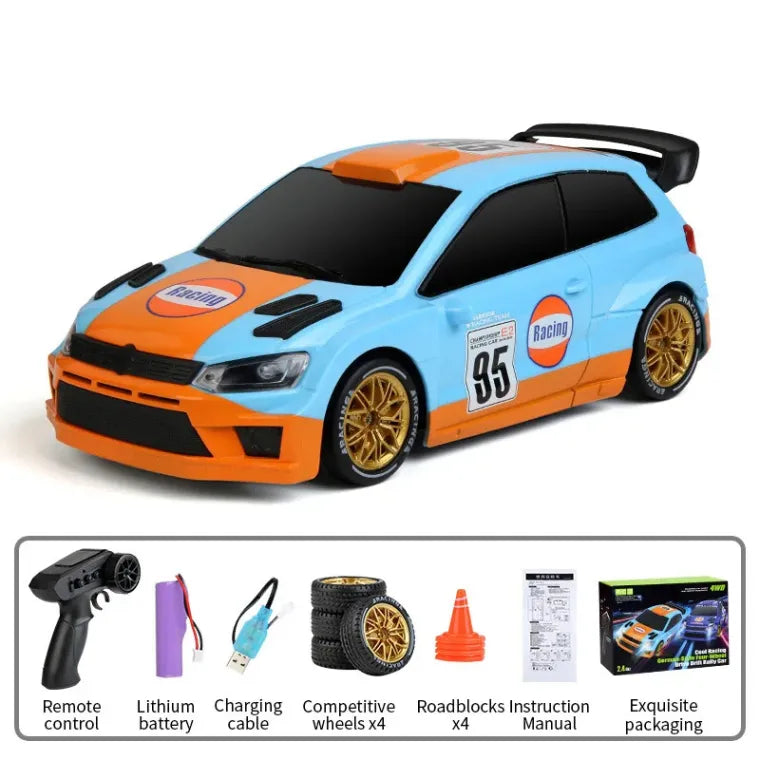
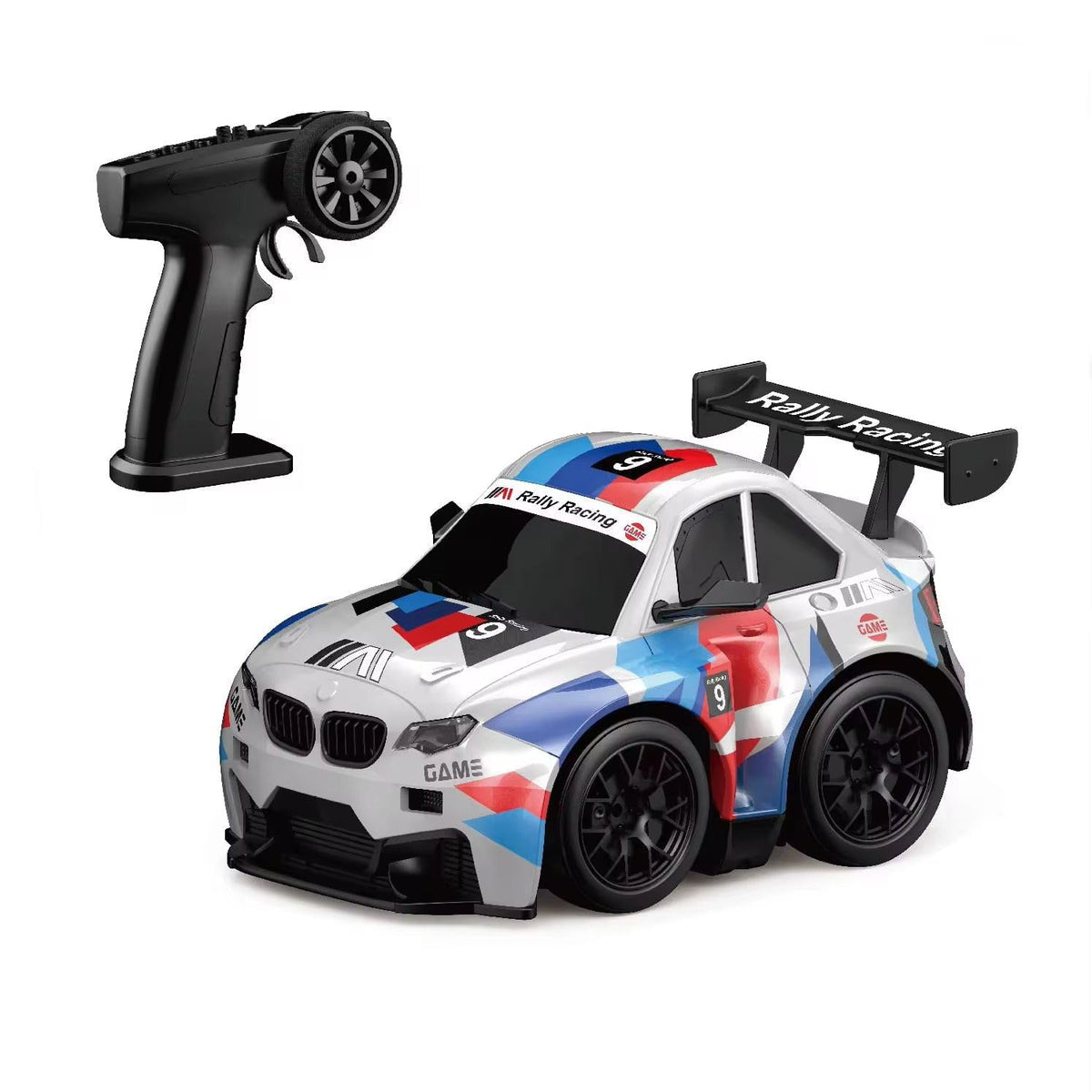
Two kinds of car live here. The drift cars are the fun ones: 4WD, 2.4 GHz radios so several can run in the same room without interference, LED headlights, and on a few of them a smoke effect that makes a hand-brake turn look like the real thing. Top speeds are 20 to 25 km/h, which is quick on a tiled floor and manageable for a first RC car.
The licensed models are calmer. The Range Rover and Defender in 1:16 are scale-accurate and steer smoothly, and the Rastar Formula 1 cars in 1:18 are official team replicas with a proper proportional trigger controller. They suit a collector who wants something that moves without needing a track.
Everything here is rechargeable by USB. Run times are 20 to 30 minutes per charge on the drift cars, longer on the slower SUVs. Spare tyres and drift wheels are included with most of the drift sets.
The drift cars are for driving. Four-wheel drive, hard slick tyres and a 2.4 GHz proportional radio mean you can hold a slide across a tiled floor and bring it back. Speeds of 20 to 25 km/h sound modest until you see one indoors. The LED headlights and, on some models, the smoke unit are there because they make drifting look the way it does on video. Buy one of these for a teenager or for yourself.
The scale RC cars, the Range Rover and Defender in 1:16 and the Rastar Formula 1 cars in 1:18, are models first. They drive smoothly and steer properly, but at 8 to 12 km/h they are not going to slide anywhere. Their job is to be an accurate replica that happens to move, and they suit a younger child or a collector who wants a car that can leave the shelf occasionally.
Older toy-grade RC cars used 27 MHz or 49 MHz radios, which meant two cars in the same room would interfere with each other and one controller could drive the wrong car. 2.4 GHz radios pair the controller to its car, so a dozen can run together. It also gives proportional control: the further you squeeze the trigger, the faster the car goes, instead of full speed or nothing.
4WD on a drift car sends power to all four wheels through a central driveshaft. That is what lets the car slide predictably rather than spinning; a rear-drive drift car is faster to spin out and harder to catch. The trade-off is that 4WD cars want a smooth hard floor. On carpet or grass the tyres grip and the car simply drives in a straight line, which is safe but dull.
Every car here has a rechargeable lithium battery fitted and charges through a USB cable, from a phone charger or a laptop. Charge time is 60 to 90 minutes and run time is 20 to 30 minutes of continuous driving for the drift cars and longer for the slower SUVs. A second battery, where available, doubles the session; we list spares on the product page when we have them. The controller takes two AA cells, which are not in the box because airlines will not fly them fitted.
Let the battery cool for ten minutes after a run before charging it, and do not leave it on charge overnight. Stored for more than a month, charge it to about half first; lithium cells last longest stored part-charged.
Half the remote control cars we sell go to people over thirty, and they buy three things. The licensed Rastar Formula 1 cars in 1:18, because they are accurate team replicas that happen to drive and they sit on a shelf between runs. The 1:16 drift cars, because a proportional radio and a speed dial make them satisfying to drive well rather than just fast. And the rock crawler, because it is slow, it climbs, and it turns a garden into a course. None of them need a track, all charge over USB, and all pair to their own 2.4 GHz controller so two people can run together.
The fastest cars here are the 1:16 drift cars at 25 km/h, which in a room is very quick, and the 1:24 drift cars at 20 to 22 km/h. That is toy-grade speed: hobby-grade cars run 50 to 80 km/h and cost ₹15,000 upwards with separate batteries and chargers, and they are not what we sell. For a first fast RC car, 25 km/h with a speed dial that can turn it down is the right amount.
Car, controller, USB charging cable and a printed quick-start card. Most drift sets include a spare set of drift tyres and a small bag of cones for setting out a course. The Rastar F1 cars come with a display stand. Spare parts, chiefly tyres and body clips, are available on request; we hold them for every model we sell.